Your Credit Card Should Match Your Life, Not Your Ego
My first credit card at 22 was really about status. Years later, I learned the better question is not what a card says about you — it is what it does to your money life.

I do not remember the exact product name of my first credit card, but I remember what it felt like.
It was a basic blue credit card from BPI. Nothing fancy. I was around 22 or 23, early in my career, and the card was offered to me for free. The income requirement felt reachable, which mattered because I was not applying from a place of financial confidence. I was applying because I wanted to start somewhere.
At the time, I also had another card in mind: a Citibank Rewards credit card. I remember thinking that if I could build six months of credit card history, maybe I could eventually qualify for the card I actually wanted.
But if I am honest, my first reason was not rewards. It was not travel. It was not emergency planning.
It was status.
A friend once told me that paying with cash on dates looked embarrassing. At that age, I believed it. Having a credit card felt like proof that I was becoming someone. More adult. More capable. More credible. The card was not only a payment tool. It was part of the image I wanted to carry.
That is probably where many Filipino professionals first misunderstand credit cards.
We think a credit card says something about us. Sometimes it does. It can say that a bank trusts us with credit. It can say that we have stable income, some financial history, and access to convenience.
But the better question is not what the card says about you.
The better question is what the card does to your money life.
Because a credit card can support your life. It can also quietly distort it.
The wrong way to choose a credit card
A lot of people start with the same question: "What is the best credit card?"
It sounds practical, but it usually leads to the wrong answer.
The best card for someone who flies six times a year may be useless for someone who mostly spends on groceries, fuel, and utilities. A no-annual-fee card may look boring beside a Visa Signature, World Mastercard, or premium travel card, but it can be the better choice for someone who wants convenience without paying for benefits they barely use.
This is why credit card names can be dangerous.
Classic, Gold, Platinum, Signature, World, Infinite — these words make it easy to assume that higher means better. But higher only matters if the benefits match your real spending.
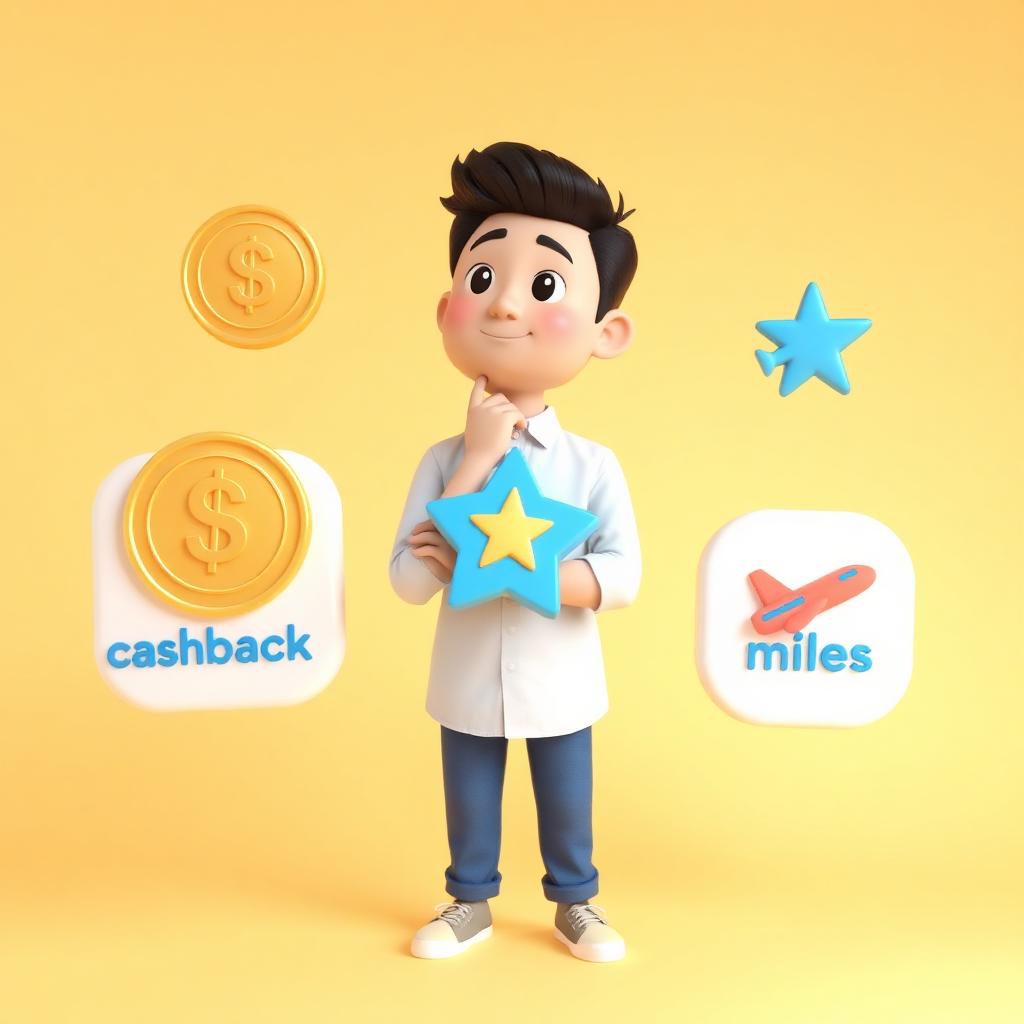
A premium travel card is useful if you actually travel. A cashback card is useful if your spending falls into the right categories. A rewards card is useful if the points are easy to redeem. A simple card is useful if it helps you build credit history without encouraging you to overspend.
The ego wants the card that sounds impressive.
Your real life needs the card that works.
Start with how you actually spend
Before comparing banks, points, miles, cashback, or welcome gifts, look at your last three months of spending.
Not your imagined lifestyle. Your actual one.
Do you spend heavily on groceries because you help at home? Do you pay for fuel, toll, parking, and car maintenance? Do you book flights often? Do you pay subscriptions in foreign currency? Do you use your card for Lazada, Shopee, Grab, restaurants, dental work, insurance premiums, gadgets, or family expenses?
This matters because credit card benefits are designed around behavior.
If you rarely travel, miles may sound exciting but remain unused. If you do not spend much on groceries, a grocery cashback card may not give you much value. If you often pay merchants who do not accept cards, a bank feature that lets you pay certain people or merchants through your card may be more useful than another dining promo.
The card should follow the pattern of your life.
A young professional with one main payroll account may need a simple card that helps build credit history. A 30-something professional who travels for work and leisure may care more about foreign transaction fees, miles conversion, lounge access, and travel insurance. Someone supporting family may care more about grocery rebates, utility payments, installment options, and predictable fees.
The same card can be smart for one person and wasteful for another.
Your first card should probably be boring
Looking back, my first credit card did not need to be impressive.
It needed to be manageable.
That is the part many first-time cardholders miss. Your first card is less about maximizing rewards and more about learning the rhythm of credit: statement date, due date, minimum amount due, interest, annual fee, and the feeling of seeing your purchases gathered into one bill.
There is a difference between using a credit card and understanding one.
When you are new, it is easy to treat your credit limit like extra money. It is not. It is borrowed purchasing power. The bank gives you access first, then asks you to settle later. That delay is convenient, but it can also blur reality.
Cash makes spending visible. A debit card reduces your balance immediately. A credit card can make spending feel painless until the statement arrives.
That was the trap for me.
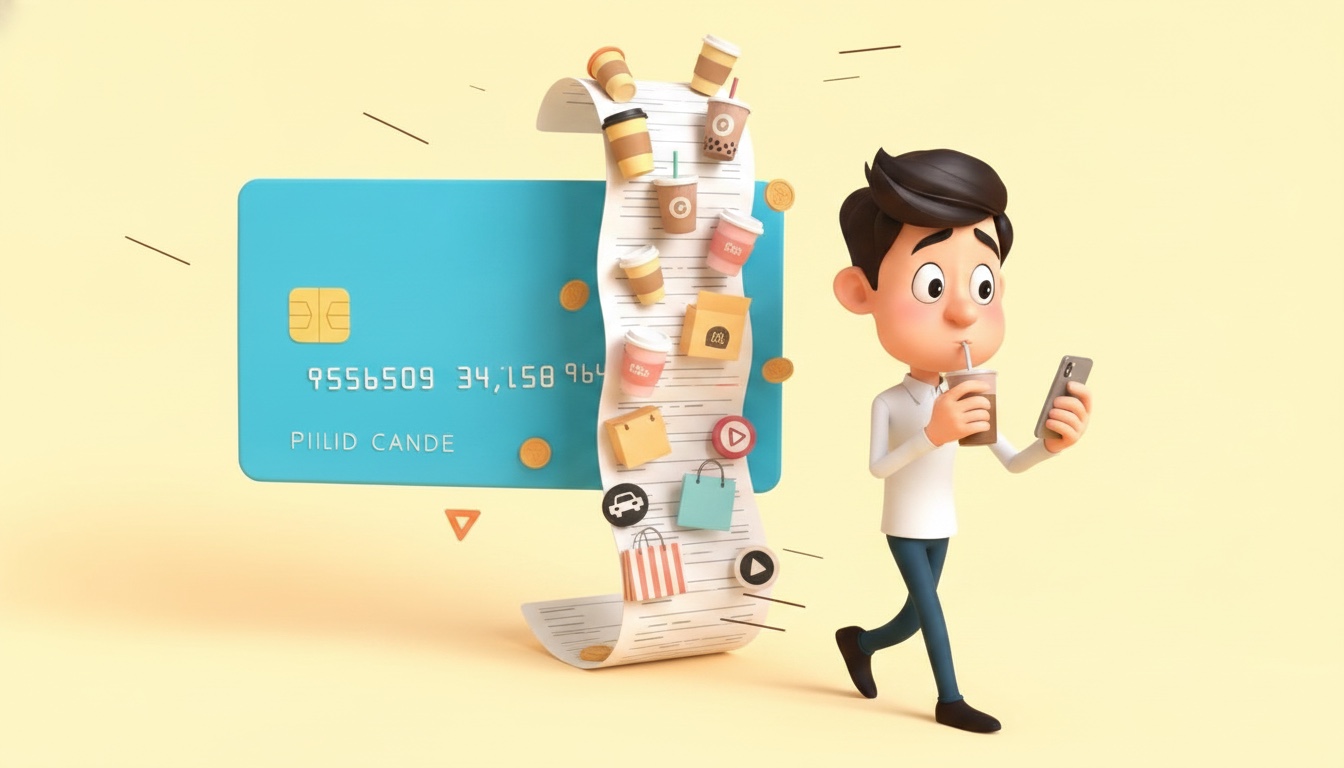
After one or two years, I realized a big part of my salary was going to credit card payments. I had become a bigger spender because the card made me feel like I had more room than I actually had. At some point, I stopped putting the card in my wallet because I no longer trusted myself to use it casually.
Then came the other lessons: paying only the minimum, getting charged interest, seeing the annual fee appear like an unpleasant surprise, converting balances into installments and feeling temporary relief.
Installments can be useful. They can help you manage a large purchase when the payment terms are clear and the item is necessary. But installments can also make you feel more powerful than you really are.
You are not removing the cost.
You are moving it into the future.
If you keep doing that without a plan, your future salary slowly becomes committed before it even arrives.
Rewards only matter after control
Credit card rewards are attractive because they make spending feel productive.
You buy something and earn points. You pay for a trip and earn miles. You use the card for groceries and get cashback. It feels like you are getting something back from money you would have spent anyway.
That can be true.
BPI's current Rewards Card, for example, says every PHP 35 spend earns one BPI Rewards Point, and BPI describes its rewards program as usable for airline miles, shopping credits, dining vouchers, and gift certificates.¹
But rewards only work when the cardholder is in control.
Once you carry a balance, the math changes. A few hundred pesos in rewards cannot compensate for months of finance charges. A free flight redemption feels less impressive if it came from years of spending that also created unnecessary debt.
This is the line worth remembering:
If you cannot pay in full, rewards should not be the priority.
The priority is control.
Paying the minimum keeps you from being immediately overdue, but it does not mean the card is handled well. It means the balance continues. The unpaid portion can still generate finance charges, which is why the Bangko Sentral ng Pilipinas publishes comparative credit card interest and fee information for consumers.²
Rewards are useful when they sit on top of discipline.
They are dangerous when they become the excuse for spending more.
The card that fits you may change
My useful card today is different from my useful card at 22.
When I was younger, I mostly used points to reduce annual fees. Today, because I travel more, I care about miles, lounge access, foreign transaction fees, and whether my points can become something bigger than a small rebate.
Waiting for a flight feels different when you travel several times a year. A lower foreign exchange fee matters more when you pay for hotels, restaurants, subscriptions, or online purchases outside the Philippines.
That is the point.
Credit card fit changes as your life changes.
At 22, you may need a simple card that helps you build discipline. At 30, you may need a reliable card for bills, groceries, and online purchases. At 35 or 40, you may care more about miles, lounge access, travel insurance, or premium bank service.
The mistake is getting attached to the image of the card instead of the job it is supposed to do.
A card should earn its place in your wallet.
If you no longer use the benefits, reconsider it. If the annual fee bothers you every year, check whether the value is still there. If the card makes you spend more than planned, it may be costing you more than the rewards are worth.
For most people, two or three well-chosen cards are enough.
One daily card. One backup card. Maybe one specialized card for travel, cashback, or a bank feature you actually use.
Beyond that, you need a reason.
A real reason.
Not ego. Not collection. Not "sayang ang promo."
The Richable rule
A credit card should make your money life easier.
It should help you manage timing, protect convenience, earn benefits from spending you already planned, and support the way you actually live. It should not make you feel richer than you are. It should not push you into purchases you would not have made. It should not turn your future salary into a repayment schedule.
The right card is not always the most premium card.
It is the card that fits your spending, your cash flow, your habits, and your current season.
At 22, I wanted status.
Now, I want function.
That is the shift many of us eventually have to make.
Your credit card should match your life.
Not your ego.
Sources
¹ BPI Rewards Card official page and BPI Rewards program page.
² Bangko Sentral ng Pilipinas, Comparative Table of Credit Card Interest Rates and Table of Fees and Charges.
For educational purposes only. Not financial, credit, tax, or legal advice. Credit card features, fees, interest rates, and rewards vary by issuer and product, and change over time. Review the terms of any card and consult your bank or a qualified advisor before applying.