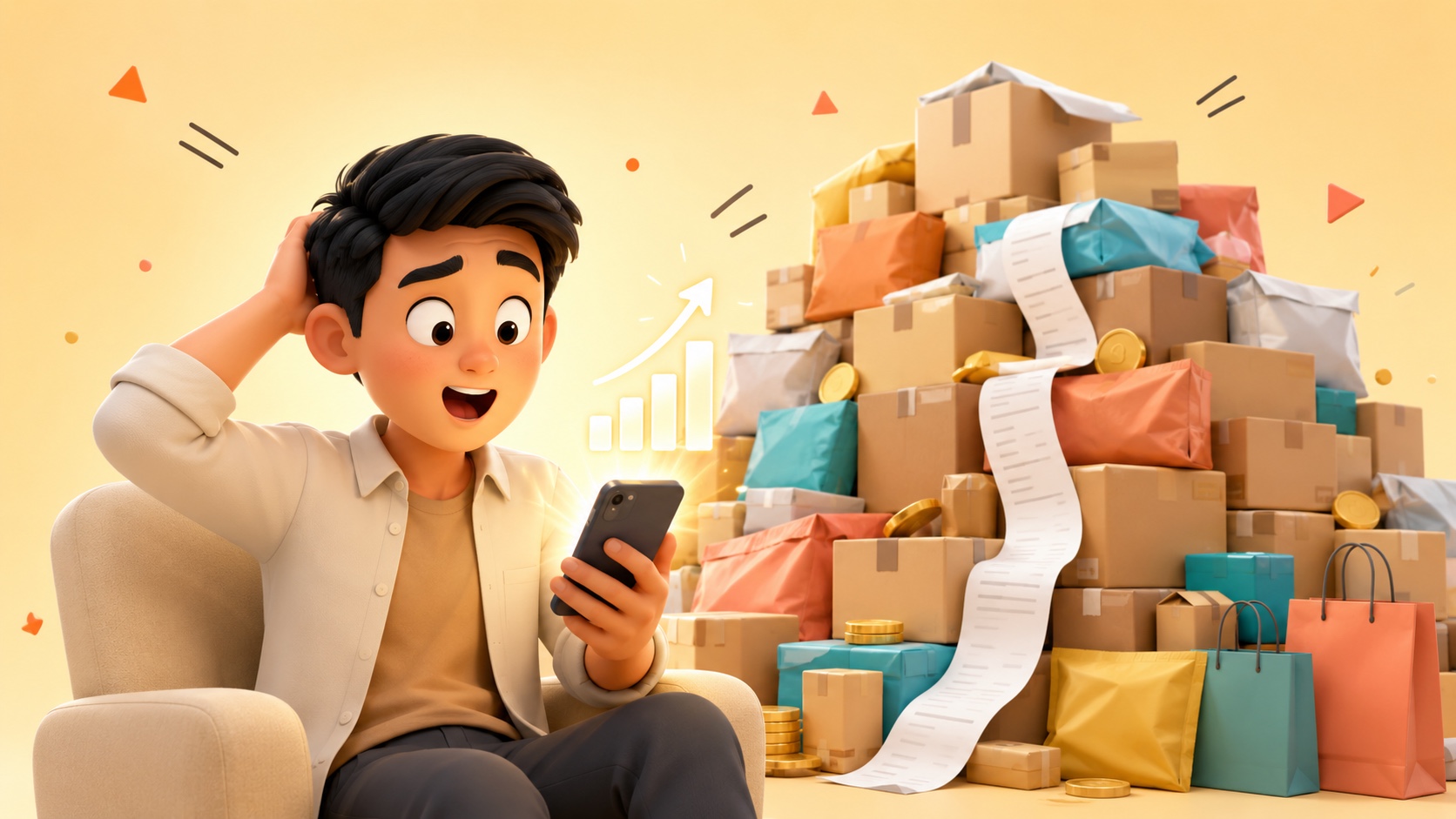
Grab, Food Delivery, and the Convenience We Now Budget For
The problem is not that convenience is bad. It is that what began as an occasional shortcut can quietly become part of the cost of modern life.
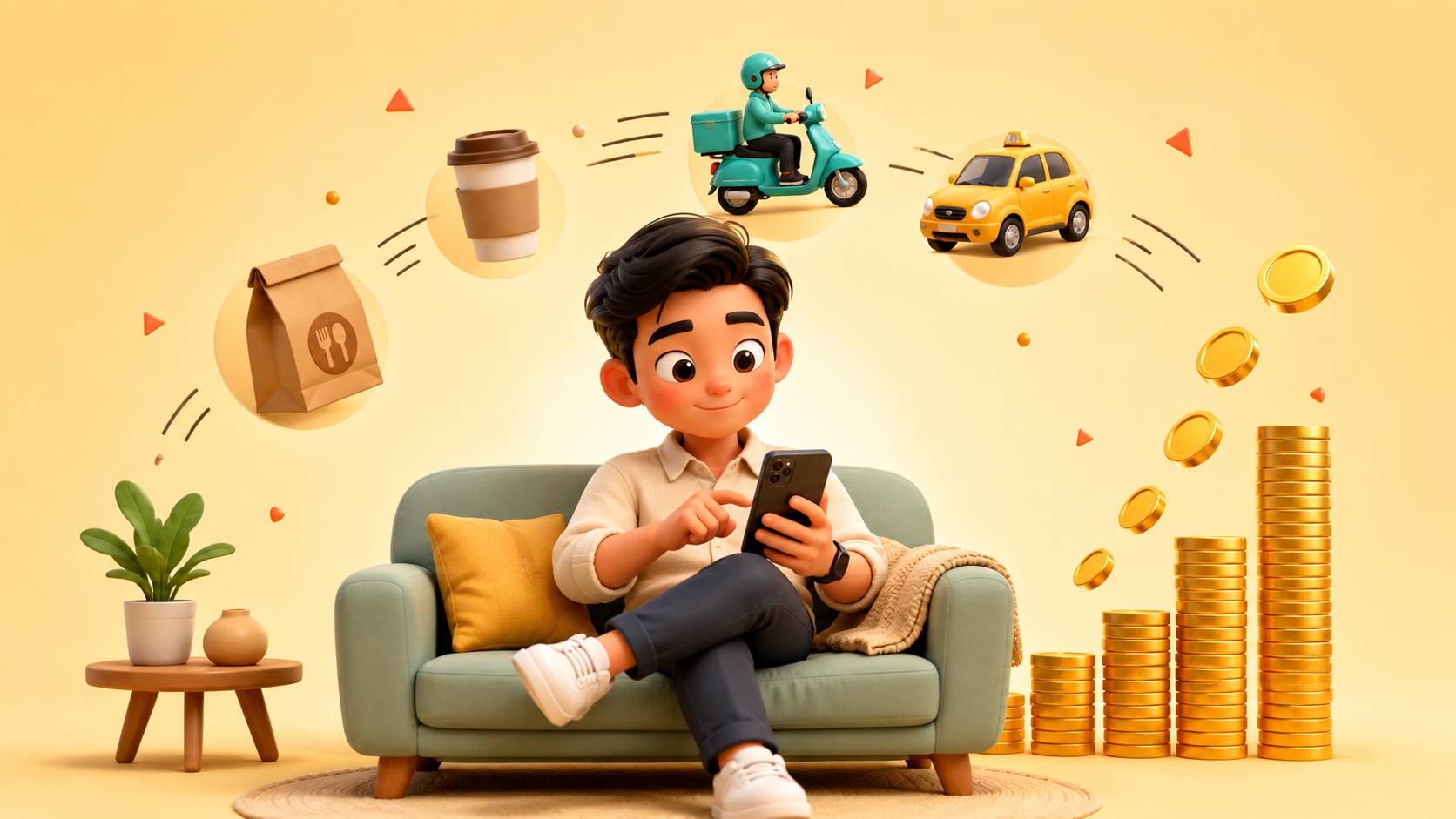
Food delivery became normal for me when I started living alone.
At first, it made practical sense. I no longer lived beside a mall where I could easily walk out and buy whatever I needed. Restaurants and shops were farther away, and ordering food felt like a reasonable way to solve the problem.
Private transport followed a similar pattern. Because I was often travelling only within the same city, the fare looked manageable. It was easy to tell myself that the ride was affordable because the destination was nearby.
One order became several orders. An occasional ride became the default option whenever I felt tired, rushed, or unfamiliar with the area.
Eventually, convenience stopped feeling like something I was choosing. It simply became part of how I lived.
Convenience Usually Solves a Real Problem
It is easy to criticize people for paying for delivery or private transportation when cheaper alternatives exist.
Cook your own food. Walk. Take public transportation. Pick up the order yourself.
All of those suggestions can reduce expenses. They also ignore what convenience is actually selling.
Convenience sells relief.
A private ride can save you from driving around a busy business district looking for parking before an important meeting. Paying a small service fee can be worth it when the alternative is spending several hours lining up for a government transaction. Food delivery lets you rest, continue working, or preserve whatever energy remains after a difficult day.
For professionals working from home, the transportation costs may disappear, but the temptation to order food becomes even easier to justify. You are already at home. You are busy. You want something different to eat. A few taps solve the problem.
These services are useful because modern life creates friction.
The mistake is not using them. The mistake is assuming that every friction needs to be removed at any price.
The Small Amount Is Not the Real Amount
Convenience spending rarely feels alarming one transaction at a time.
A delivery fee may look like ₱60. A late-night order may cost only a few hundred pesos. A short ride within the city feels easier to justify than a longer and more expensive journey.
The problem appears when the transactions begin to repeat.
One evening, I found myself craving pancit canton. This is something I can buy uncooked in the convenience store and cook. Instead, I ordered food because I was hungry and did not feel like preparing anything.
The order took longer than cooking would have taken.
It was a small decision. It was also a good example of what happens when convenience becomes habit. I was no longer paying to solve a difficult problem. I was paying because opening the app had become easier than considering another option.
That is how convenience spending grows quietly. We notice the delivery fee, but not always the full meal. We remember the fare, but not how many rides we booked that week. Each transaction looks manageable while the monthly total tells a different story.
A person does not need to be financially careless for this to happen. Repeated convenience spending is simply difficult to feel in real time.
Sometimes We Are Buying Energy, Not Time
I used to think food delivery saved me time.
That is not entirely true.
Ordering food does not necessarily make me more productive. It simply allows me to direct my remaining energy somewhere else. I can continue working, rest while waiting, or avoid dealing with the planning, cooking, and cleaning that come with preparing a meal.
Energy matters. Anyone who has finished a long day of meetings knows that having one free hour does not mean having one useful hour. You may technically have enough time to cook, but not enough mental energy to decide what to cook, prepare it, and clean everything afterward.
This is why replacing convenience is more complicated than deleting an app.
Cooking regularly requires meal planning. It means deciding what to eat before hunger arrives, buying the right ingredients, preparing the meal, and cleaning afterward. For many people, cleaning takes nearly as much effort as cooking.
Using cheaper transportation may mean waking up earlier, learning unfamiliar routes, waiting longer, or accepting less comfort.
Convenience removes all of that. The question is whether we are paying for genuine relief or simply avoiding a small amount of effort because paying has become automatic.
Convenience Can Become Lifestyle Inflation
Lifestyle inflation is often described through obvious upgrades: a more expensive home, a newer car, better gadgets, or more luxurious holidays.
Convenience is a quieter version.
As income rises, we begin paying to remove more inconvenience from our lives. We stop walking short distances. We order meals we could pick up ourselves. We book rides because planning a route feels troublesome. We subscribe to services that promise to make everyday tasks faster.
None of these decisions looks extravagant on its own. Together, they create a lifestyle that requires more money to maintain.
The danger is not that we become spoiled. It is that we lose the ability to distinguish between the conveniences that genuinely improve our lives and the ones we continue using without thinking.
The Answer Is Not to Eliminate Convenience
I do not plan to stop using food delivery or private transportation completely.
There are days when paying for convenience is clearly worth it. There are places where a private ride is safer, simpler, or more practical. There are workdays when an ordered meal gives back enough energy to justify the additional cost.
The goal is to keep convenience as an option instead of allowing it to become the only way you know how to function.
I now try to look at the total cost rather than judging every transaction separately. A small order may be acceptable, but repeated orders can push daily spending higher than expected. Monitoring the total makes the habit more visible. Richable's bank statement analyzer can help here — upload a bank or e-wallet statement and it groups your Grab, delivery, and food spending into categories so the monthly total is easy to see.
I also try to create alternatives that preserve some convenience.
Instead of ordering every meal individually, prepared meal plans can make the weekly cost more predictable. On less demanding days, I can walk and buy dinner instead of having it delivered. Weekends can be used for grocery shopping, simple meal preparation, or trying a routine that would be difficult during the workweek.
The answer does not have to be cooking every meal from scratch. It can be making the cheaper option easier to choose.
Ask What the Convenience Is Giving Back
Before paying, it may help to ask what the transaction is actually buying.
Is it saving meaningful time?
Is it protecting your energy before something important?
Is it improving safety or helping you avoid a genuinely difficult situation?
Or are you paying because opening the app has become the default response to hunger, tiredness, and minor inconvenience?
Convenience deserves a place in the budget. Time, comfort, safety, and energy all have value.
But convenience should still earn its cost.
You do not need to give up every service that makes modern life easier. You only need to notice when a useful shortcut has quietly become an expensive routine.
The goal is not to make life unnecessarily difficult.
It is to make sure you are still choosing convenience — and that convenience is not choosing your spending for you.