The 3-Bucket Money System for Filipinos
Most people don't need a stricter budget. They need a simpler structure. Here is a framework you can run on autopilot: Live, Build, Enjoy.
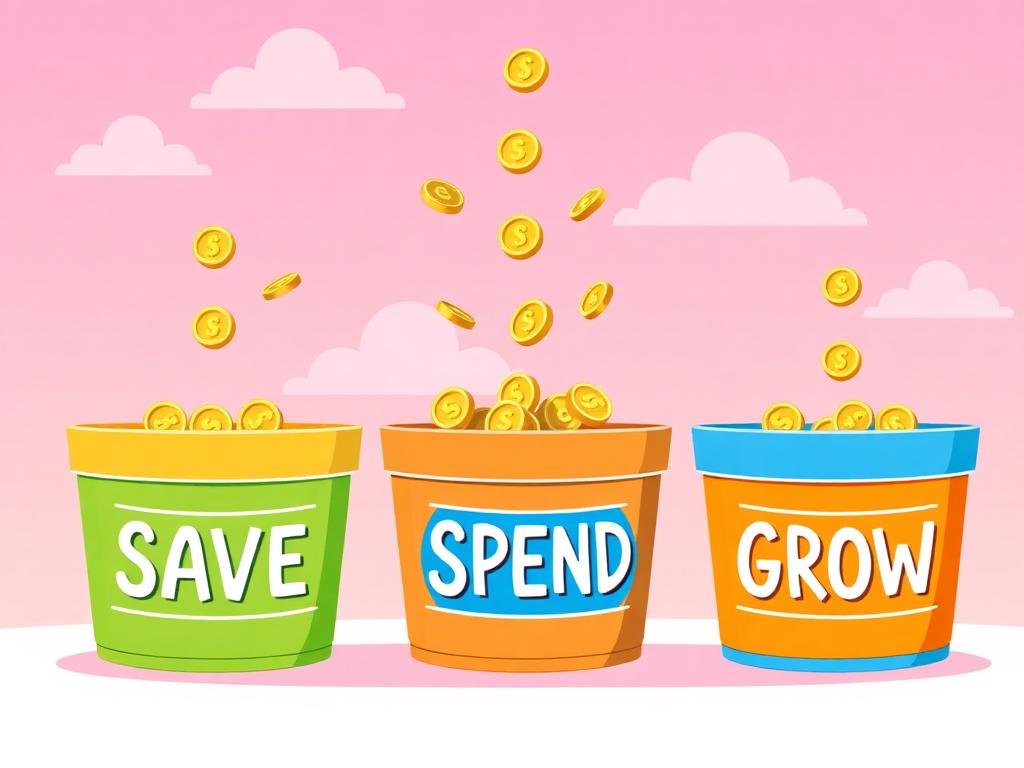
Most people don’t need a stricter budget. They need a simpler structure. Here is a framework you can run on autopilot: Live, Build, Enjoy.
Budgeting fails for a predictable reason: it asks too much. Forty categories, daily logging, a spreadsheet that judges you every time you open it. It works for about two weeks, then quietly collapses. The problem was never your discipline. It was the design.
A money system should do the opposite of a strict budget. It should be simple enough to survive a bad week, flexible enough to fit a real Filipino household, and clear enough that you always know which money is for what. That is the whole idea behind three buckets: Live, Build, and Enjoy.
Where the idea comes from
The three-bucket approach is a friendlier cousin of the well-known 50-30-20 rule, popularized by U.S. Senator Elizabeth Warren and her daughter Amelia Warren Tyagi in All Your Worth. That rule splits your take-home pay into needs (50%), wants (30%), and savings (20%). It is one of the simplest balanced budgets there is, but as Filipino banks themselves note, the exact percentages do not always fit local life.
So we keep the spirit and rename the parts in plain language. Three buckets, three jobs, no jargon:
The Live–Build–Enjoy framework
- LIVE: the cost of keeping your life running. Rent, food, transport, utilities, minimum bills.
- BUILD: the cost of your future. Emergency fund, investments, insurance, debt payoff.
- ENJOY: the cost of being human. Travel, coffee, gadgets, eating out, the things you love.
Bucket 1: Live
This is survival and stability: the expenses you genuinely cannot skip. Rent or mortgage, groceries, transport, electricity, water, internet, and the minimum payments on any obligations. In the classic rule this sits around 50% of take-home pay, but be honest about your real numbers rather than forcing a target.
Filipino banks are candid that 50% is often unrealistic here. As Metrobank notes, a fresh graduate earning ₱18,000 after deductions would have only ₱9,000 for needs under a strict 50-30-20 split, rarely enough for rent, food, transport, and utilities in a city. If your Live bucket runs higher, that is information, not failure. It tells you the most important lever you have is income or fixed costs, not your coffee budget.
Bucket 2: Build
This is the bucket that quietly decides whether you get ahead. It holds three things in rough order of priority: an emergency fund first, then protection (insurance), then growth (investments and extra debt payoff). The discipline that matters most is timing: you fund Build right after payday, before the money has a chance to become something else.
Finance educators generally suggest building three to six months of living expenses in an accessible savings account before pushing hard into investments, and many recommend directing 10% to 15% of income toward long-term and retirement goals once the cushion exists. The exact figure matters less than the habit: Build is paid first, automatically, every month.
Pay your future before you pay your wants. The Build bucket is the only one that compounds while you sleep.
Bucket 3: Enjoy
This is the bucket most budgets forget, and the reason most budgets fail. Enjoy is for the things that make money worth earning: the weekend out, the trip, the gadget, the small daily pleasures. It is not a leftover or an apology. It is a planned, protected part of the system.
When enjoyment is built in, two good things happen. You stop feeling deprived, which is what usually triggers the all-or-nothing spending binge. And you stop feeling guilty, because spending from the Enjoy bucket is spending you already decided was yours. Guilt-free spending is not reckless spending. It is spending you can defend.
How to set your own splits
The buckets are fixed. The percentages are yours. Chinabank’s own guidance puts it simply: the rule should bend to your income, not the other way around.
| Situation | Live | Build | Enjoy |
|---|---|---|---|
| Tight income (start here) | 70% | 10% | 20% |
| Classic balance | 50% | 20% | 30% |
| Higher income / catching up | 50% | 30% | 20% |
| Aggressive saver | 50% | 40% | 10% |
If money is tight, start at 70-10-20 and protect that 10% in Build no matter what. The habit matters more than the size. As income grows, shift the ratio toward the future. If you carry family obligations, fold them honestly into Live rather than pretending they do not exist. The framework flexes; the three buckets stay.
Running it on autopilot
The system only works if it survives your busy weeks, so remove yourself from the loop. On payday, money moves automatically: Build first into a separate account you do not see day to day, Live into your everyday account, and Enjoy into its own pocket or wallet. When the Enjoy bucket is empty, the month’s fun is done, not as punishment, but as a clean, guilt-free signal.
Notice what this removes. No daily logging. No forty categories. No moral judgment on a Tuesday merienda. Just three clearly labeled streams, each doing one job. You check them weekly (the same three-number glance that takes less time than scrolling a feed) and otherwise let the structure carry you.
A good money system doesn’t demand more willpower. It demands fewer decisions.
The point of the buckets
The Live–Build–Enjoy system is not about restriction. It is about clarity: always knowing which money is for keeping your life running, which is quietly building your future, and which is yours to enjoy without a shred of guilt. That clarity is what makes it last where stricter budgets break.
Three buckets. Three jobs. One payday routine that runs whether or not you are paying attention. Start with the split that fits your life today, automate it, and let the structure do what discipline never could: keep going.
References & Data Sources
- Chinabank (2025). “The rule of three: Budgeting with 50-30-20”. origin of the rule and how to adjust splits by income. https://www.chinabank.ph/the-rule-of-three-budgeting-with-50-30-20
- Metrobank (2026). “The 50-30-20 budget plan”. why the percentages need local adjustment in the Philippines. https://www.metrobank.com.ph/articles/learn/50-30-20-budget-plan
- AIA Philippines. “Types of household budgets”. dividing savings into emergency fund, insurance, and investments. https://www.aia.com.ph/en/about-us/aia-ph-blog/savings/types-of-household-budgets
- Credit Kaagapay (2025). “The 50-30-20 budgeting rule: A beginner’s guide.” https://www.creditkaagapay.com/2025/08/04/the-50-30-20-budgeting-rule-a-beginners-guide-to-managing-your-money/
This article is for general education and is not personalized financial advice. Figures cited reflect the sources listed and may change over time. Consult a licensed financial advisor for guidance specific to your situation.