When Your Salary Starts Chasing Your Credit Card Bill
Payday should feel like a fresh start. But when last month's credit card statement is already waiting, part of your income never feels like yours.
There is a specific kind of stress when payday arrives and part of your salary already belongs to last month's credit card bill.
You feel it quietly. The money comes in, but it does not feel fully yours. Before you even decide what to save, spend, or send home, the card statement is already waiting.
That was one of my early credit card lessons.
After around two years of using a card, I became more comfortable. I had moved jobs. My salary was higher than when I first started working. Life became a little easier, and with that came lifestyle inflation.
It was not one dramatic purchase. It was not a luxury bag, a big gadget, or an international trip.
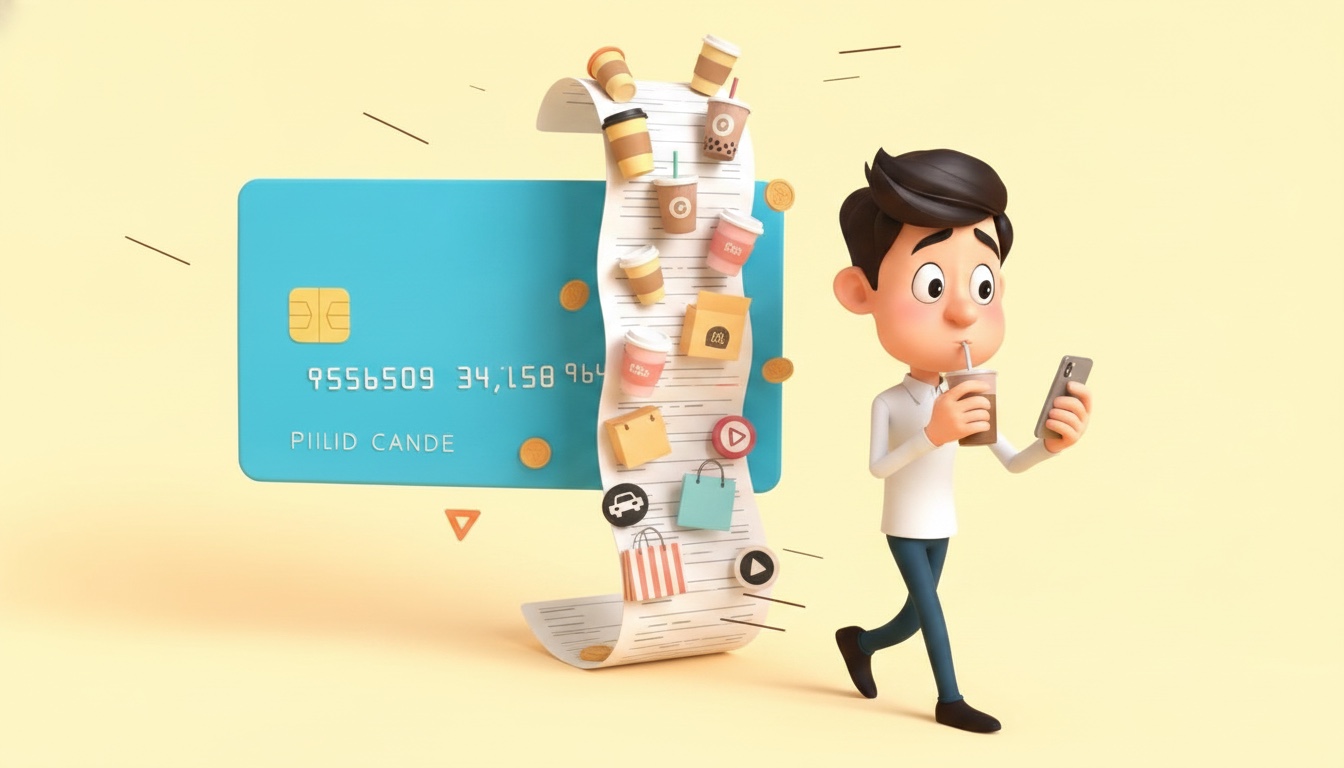
It was food after work. Dessert after dinner. Coffee. Milk tea. Grab rides because commuting felt tiring. Small conveniences that did not feel like a big deal in the moment. Then the statement arrived, and all those small purchases had become one large bill.
That is how credit cards can confuse your cash flow.
They separate the moment you enjoy the purchase from the moment you feel the cost.
The statement date is when the bank takes a snapshot
A credit card billing cycle is usually a period of around one month. During that period, you use your card for purchases. At the end of the cycle, the bank creates your statement.
The statement date is the day the bank takes a snapshot of your account and says: these are the transactions included in this bill.
This is why timing matters.
If your statement date is on the 12th and you buy something on the 11th, that purchase may be included in the upcoming bill. If you buy something on the 13th, it may fall into the next cycle instead.
That gap is what people often try to "maximize." Used properly, it can help you manage cash flow. You can time a planned purchase after the cut-off so it appears in the next statement, giving you more time before payment is due.
But this only works if the purchase was already planned.
If you use the billing cycle as an excuse to spend more, you are not managing cash flow. You are delaying the feeling of it.
The due date is when the bill becomes real
The due date is the deadline for payment.
When I was younger, I mostly cared about two things: the due date and the total amount due. I did not think deeply about the statement date, finance charge, or how the minimum amount due worked. I just knew I had to pay by a certain day.
That is common.
A lot of cardholders understand the due date before they understand the billing cycle. The due date feels urgent because it has a consequence. Miss it, and you may pay late fees. Pay less than the full amount, and you may pay interest or finance charges.
The Bangko Sentral ng Pilipinas reminds cardholders to pay bills on or before the due date to avoid late payment fees. It also says no finance charge is imposed if the total amount due is paid in full on or before the payment due date for a particular billing cycle.¹
That last phrase matters: paid in full.
A credit card can give you interest-free timing, but only when you settle properly.
The minimum amount due is not the safe amount
The minimum amount due can feel like relief.
When the total bill feels too large, the minimum payment looks manageable. You pay it, avoid being tagged as unpaid, and tell yourself you handled the problem for now.
I did that before.
At the time, I thought paying the minimum meant I was being responsible enough. I avoided the immediate penalty, so it felt like I had bought myself time. Then I saw the interest charges and realized the mistake.
Paying the minimum is not the same as paying the bill.
It usually means you are carrying the balance forward. The unpaid portion can continue to generate finance charges. You did not escape the cost. You moved it into the next month, with interest.
That can be confusing the first time because the word "minimum" sounds official. It feels like the bank is saying this amount is acceptable. And technically, it may keep the account from being past due. But it does not mean the debt is gone.
The BSP's debt management materials tell cardholders to pay the full outstanding amount on or before the due date and warn that paying less than the total amount due increases the interest paid and the time it takes to repay the balance.²
That is the trap.
The minimum amount due solves the deadline.
It does not solve the balance.
The total amount due is the number that matters
If you want to avoid credit card interest, the number to focus on is the total amount due.
This is the full amount billed in your statement for that cycle. When you pay it in full on or before the due date, you usually preserve the benefit of interest-free credit for that billing cycle.
This is where credit cards can be useful.
You can manage timing. You can book a trip today and pay after your statement closes. You can make a planned purchase after cut-off and have more days before payment. You can use the card for convenience, security, and rewards while keeping your cash in the bank until the due date.
But the system only works if your spending is already within your means.
Your credit limit is not your income. It is not your monthly budget. It is not proof that you can afford to spend that much.
It is access to credit.
That access is useful during emergencies. It is helpful for bookings, travel, online purchases, and cash flow timing. But if your credit limit is much higher than your salary, that does not mean your lifestyle should rise to meet the limit.
A PHP 500,000 credit limit does not mean you earn PHP 500,000 a month.
It means the bank is willing to lend you up to that amount.
Those are very different things.
Small purchases are still purchases
The most dangerous credit card spending is not always dramatic.
Sometimes it is ordinary.
Grab. Coffee. Dessert. Eating out. Convenience store runs. Delivery fees. Subscriptions. Small online purchases. Treats after a tiring workday.
Each one feels harmless because the amount is small. But credit cards collect all those small decisions and present them as one bill.
This is why the statement can feel surprising even when every transaction was real.
Before AI tools and bank statement trackers, it was harder to see the pattern. You knew you were spending, but you did not always know where the money was going. Then you reviewed the statement and realized that the problem was not one irresponsible purchase. It was a hundred small permissions.
That is why tracking matters.
You do not need a perfect system. Even a simple expense tracker, bank statement export, or spreadsheet can reveal the categories that quietly grow. Food, Grab, subscriptions, and impulse purchases often look small individually but become meaningful when grouped.
A credit card does not create the habit.
It makes the habit easier to ignore.
Installments help cash flow, but they also claim future income
Installments can be useful.
A phone, laptop, appliance, dental procedure, Christmas gift, or necessary purchase can be easier to manage when paid over three or six months, especially if the installment is genuinely zero interest.
But installment is not free money.
You are not removing the cost. You are scheduling it.
The danger starts when installment becomes a way to avoid facing the full amount. One installment is manageable. Then another purchase gets converted. Then another. Before long, a part of your future salary is already committed before the month begins.
I learned this through balance conversion.
It made the bill feel lighter, but it did not fix the habit. The monthly payment became smaller, but the spending pattern stayed the same. Eventually, I was counting installments as part of my normal card bill.
That is when you realize the problem was never only the billing cycle.
It was behavior.
Installments make sense when you could pay the item in full but choose to manage timing. They become dangerous when they are used to make unaffordable spending feel affordable.
The Richable rule
A credit card billing cycle is not complicated once you see what each date means.
The statement date tells you what gets included in the bill. The due date tells you when payment is required. The minimum amount due helps you avoid the immediate penalty but does not erase the balance. The total amount due is the number that matters if you want to avoid interest.
Used well, the billing cycle can help you manage cash flow.
Used poorly, it lets your salary chase last month's decisions.
The goal is not to fear credit cards. The goal is to understand the timing clearly enough that the card works for you.
Track your spending. Pay the full amount due when you can. Be careful with installments. Keep your card spending within your real income, not your credit limit.
The most valuable credit card skill is not earning points.
It is knowing exactly when your swipe becomes a bill.
Sources
¹ Bangko Sentral ng Pilipinas, credit card consumer tips. The BSP notes that no finance charge is imposed when the total amount due is paid in full on or before the payment due date for a billing cycle.
² Bangko Sentral ng Pilipinas, Debt Management learning module. The module states that billing statements should show the statement date, cut-off date, due date, total amount due, minimum amount due, finance charges, effective interest rates, and related fees; it also warns that paying less than the total amount due increases interest and repayment time.